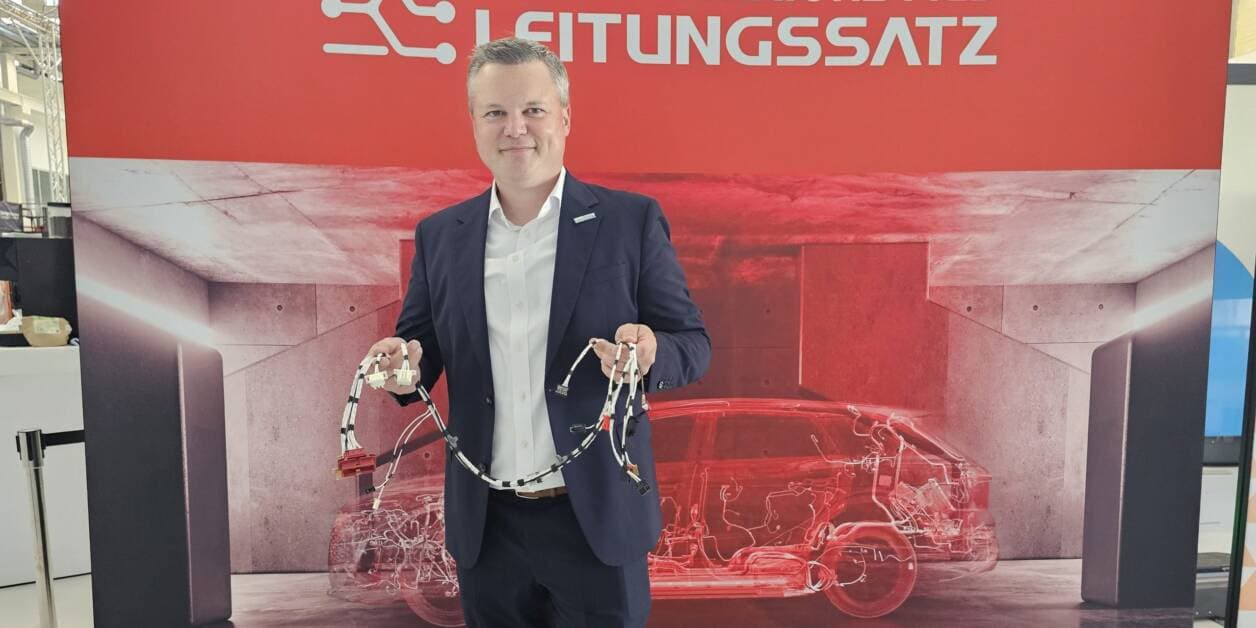
Producing and installing wiring harnesses remains one of the last major manual processes in the automotive industry. While much of vehicle production is now highly automated, these complex bundles of cables are still assembled largely by hand. According to VDI nachrichten, companies connected to Audi and Mercedes have now achieved significant progress in this area.
Why automation is so difficult
A wiring harness acts as the nervous system of a modern vehicle. It consists of countless wires, connectors and branches running through the entire body. Because each vehicle comes with different equipment options, almost every harness differs from the next. This high degree of variation, combined with flexible and hard-to-grip materials, makes it particularly challenging to deploy robots and automated systems.
Progress among German manufacturers
The companies involved are developing solutions that automate parts of this process. Their aim is to reduce reliance on labour-intensive production while further improving quality. For the manufacturing sector, this is a relevant development, as expertise in the automated handling of flexible materials has applications well beyond car making.
The main benefits sought through further automation include:
lower production costs by reducing manual work;
more consistent quality and fewer errors;
less dependence on scarce skilled labour;
shorter and more flexible lead times.
The trend shows that even traditionally manual processes can be automated step by step, provided manufacturers invest in new techniques and closer cooperation across the supply chain. This opens up new opportunities for suppliers and machine builders alike.
This article is based on a report by VDI nachrichten.