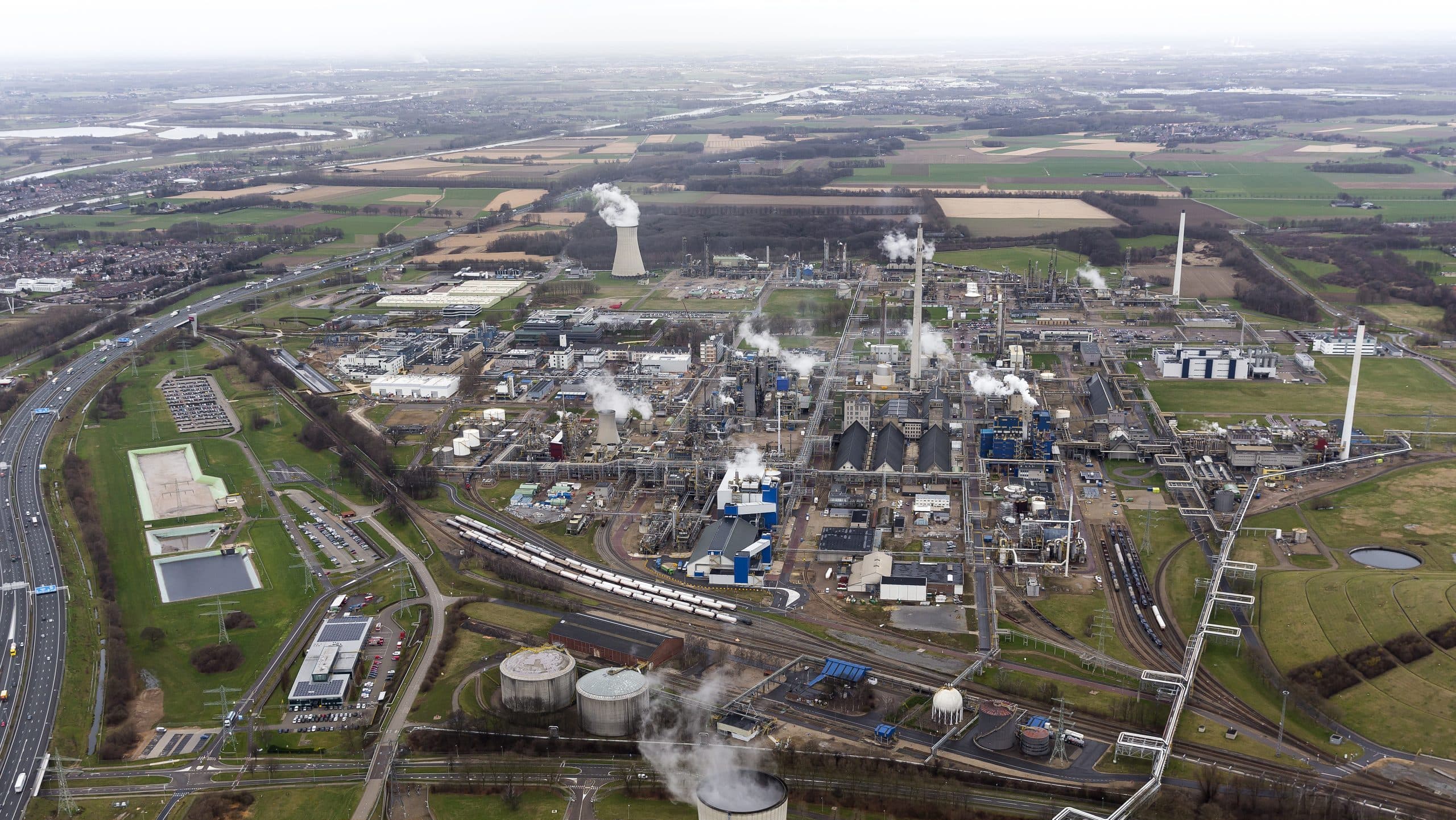
A key hydrogen project intended to help decarbonise the Chemelot chemical complex in the southern Netherlands is now in doubt. Energy company RWE has so far failed to line up firm customers for the green hydrogen the planned facility would produce. Without long-term supply contracts, making a final investment decision becomes difficult to justify.
A bright spot that dims
Until recently, the project was cited as one of the few encouraging examples in an otherwise sluggish industrial energy transition. Green hydrogen, produced using electricity from renewable sources, is seen as a way to wean heavy industrial processes off fossil fuels. For an energy-intensive site such as Chemelot, access to affordable hydrogen is essential to meeting climate targets.
A tough business case
The difficulties at Chemelot reflect a wider pattern. Manufacturers hesitate to commit to green hydrogen while its price remains well above that of conventional alternatives. The result is a stalemate: producers are reluctant to build without buyers, while buyers will only sign once supply volumes and prices are guaranteed.
Uncertainty over long-term offtake agreements
High production costs for green hydrogen
Doubts about the pace of the broader infrastructure
The case is telling for the manufacturing sector. Chemelot supplies raw materials to numerous suppliers and producers, so any delay in its decarbonisation affects not just the site itself but the entire supply chain that depends on affordable, future-proof inputs. It underlines that the shift to cleaner production faces economic hurdles as much as technical ones.
This article is based on reporting by FD.