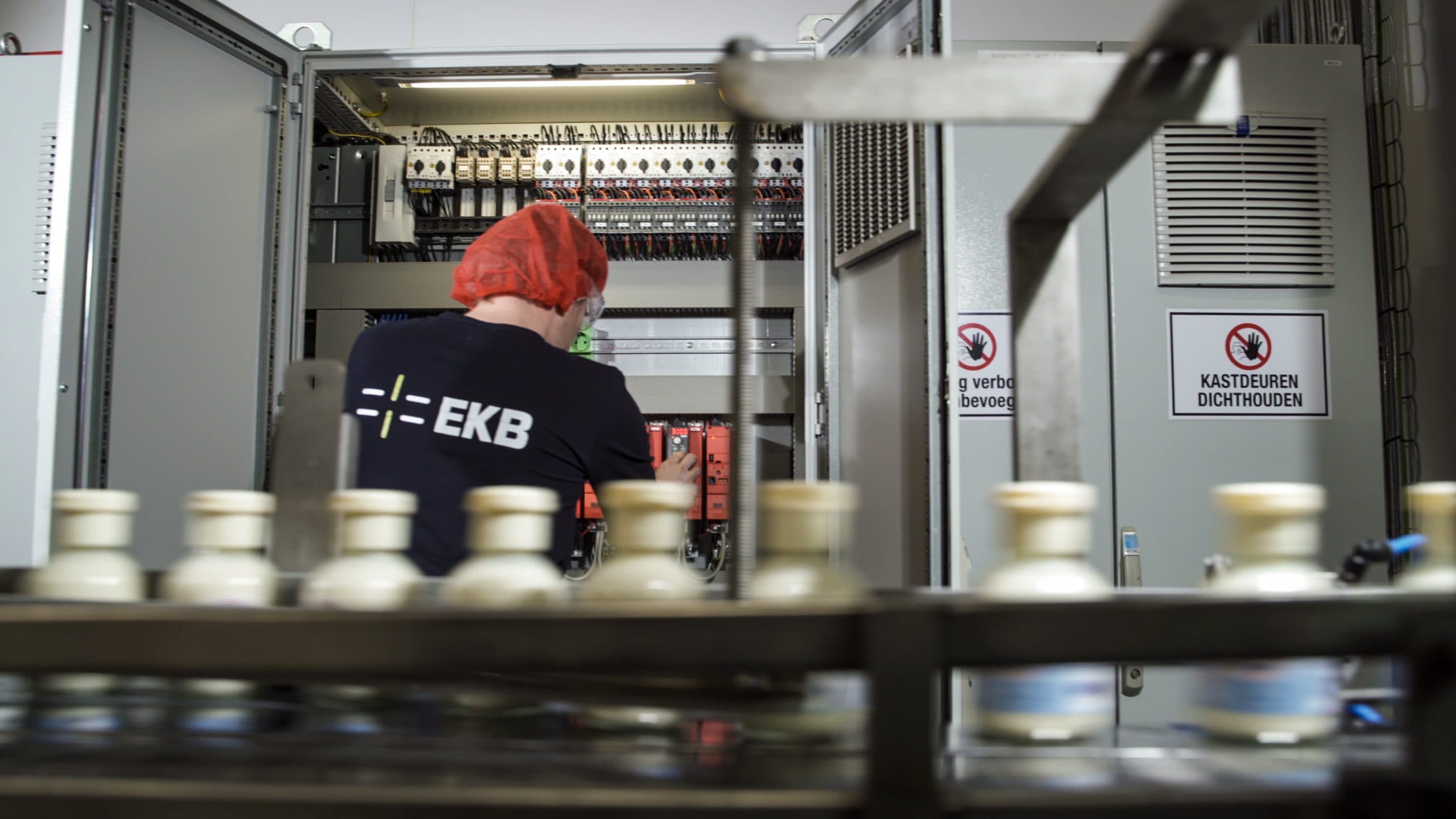
The use of machine vision in manufacturing is soaring. Vision technology enables producers to automate production processes, drastically reduce error margins and apply real-time quality control. The impact is especially significant in sectors such as food processing, packaging and metal. “Machine vision is no longer a gimmick. It’s essential to stay competitive,” says Tycho Scholtens of EKB Groep.
What is machine vision?
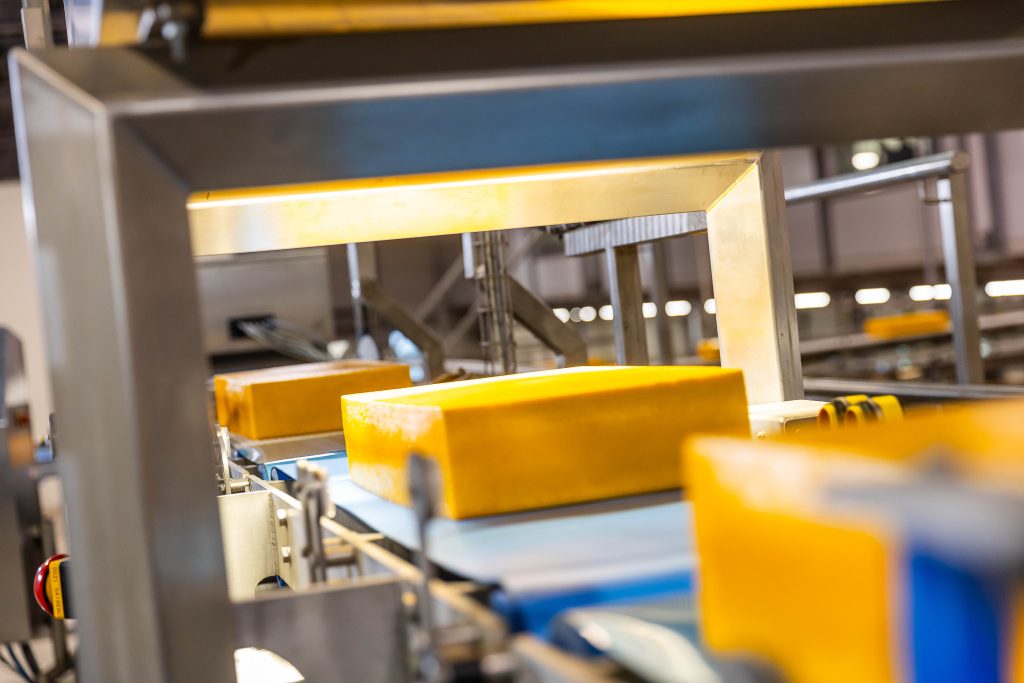
Machine vision – or industrial image processing – is technology that allows machines to ‘see’ what is happening on the production line using cameras and software. This makes it possible to automatically monitor processes, sort products or detect anomalies. The systems carry out these inspections at lightning speed and with great precision, often in environments where human inspection is no longer sufficient.
“What machine vision does is give your production line eyes,” says Tycho Scholtens, Business Developer Vision at EKB Groep. “Where an operator used to inspect the product, a vision system now does so with constant precision. And that’s across hundreds of products per minute.”
Application in practice: millions of food packages per week
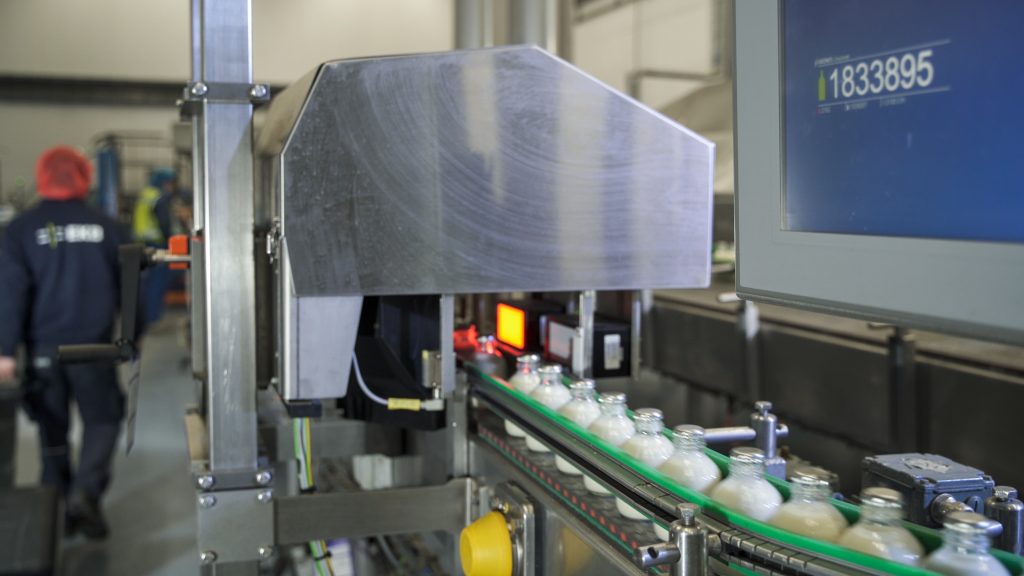
One of the most striking examples comes from the packaging industry. EKB Groep developed and implemented a fully integrated vision system for a manufacturer of food packaging. “We’re talking about trays, lids and cups that you’ll come across in virtually every supermarket,” Scholtens explains. “These are produced in enormous quantities – millions per week.”
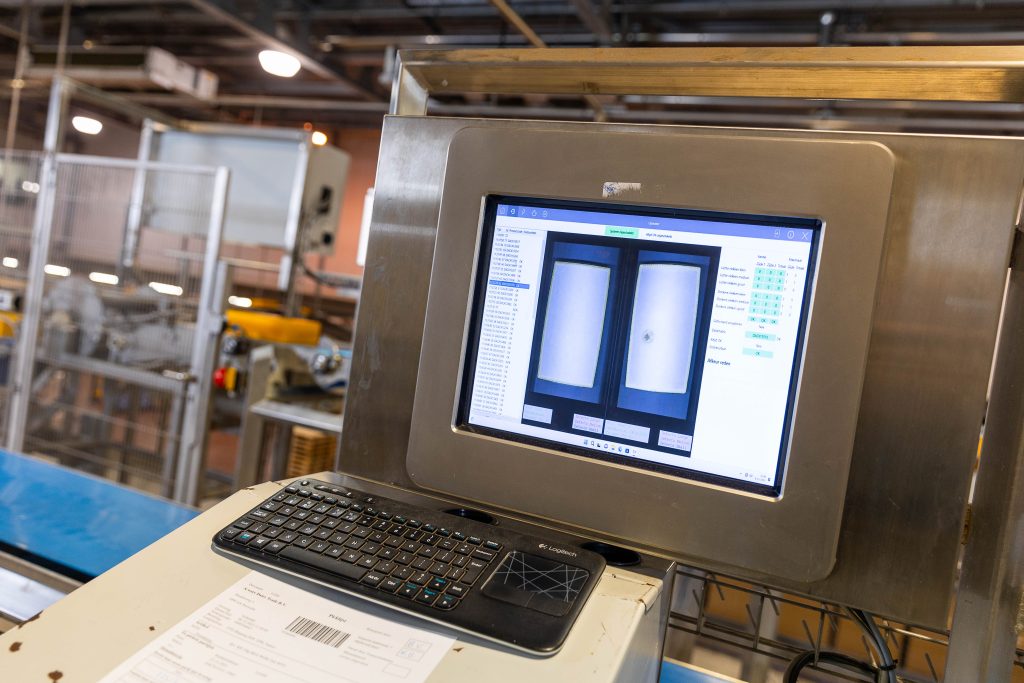
Precisely because this packaging comes into direct contact with food, the quality requirements are extremely high. “Consumers won’t accept any spots or contamination. That’s where trust in a brand begins.” EKB’s vision system automatically checks for the smallest deviations: spots, discolouration, deformations, or irregular shapes. And it does so at speeds that would be impossible for human inspectors to keep up with.
Machine vision is more than technology
Elske Commandeur, marketing manager at EKB, stresses that machine vision is not a standalone product. “Customers don’t come to us saying: ‘I want machine vision.’ They come with a problem. For example, too much rejected product, inconsistency in production, or manual inspection that isn’t scalable. We analyse whether machine vision is the right solution – and often it is.”
The strength therefore lies in the complete concept: a combination of technical expertise, customer insight and a pragmatic approach. “We usually start with a quick scan,” Commandeur explains. “The customer supplies a product, we test it with our systems and then provide well-founded advice on what is technically possible and what it will deliver.”
The benefits: from cost savings to predictable production
The benefits of machine vision are not only technical, but also of great business value:
- 100% quality control on every individual product
- Cost reduction through fewer staff on the line and less rejected product
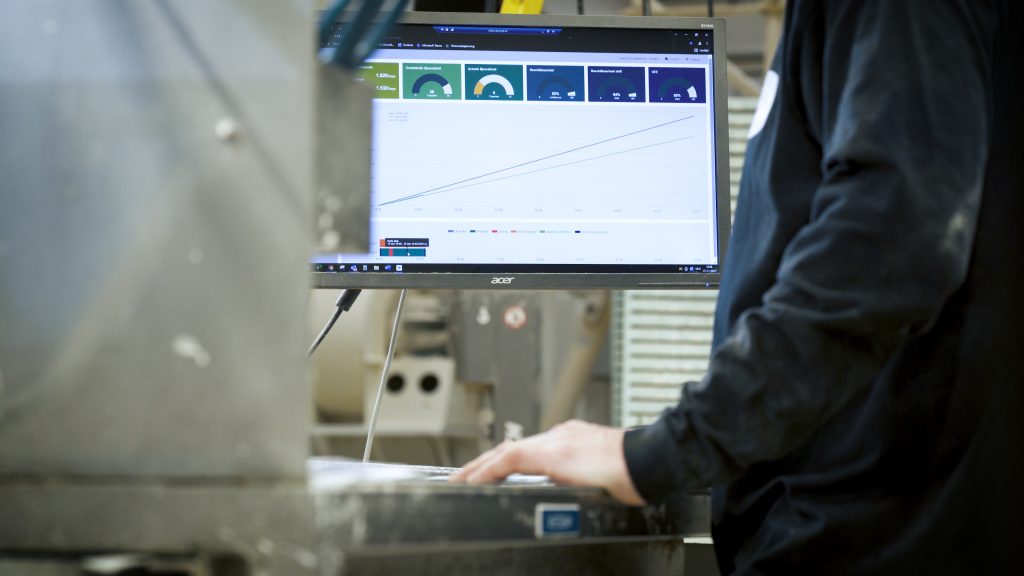
- Real-time process monitoring via dashboards
- Higher customer satisfaction and fewer returns
- The ability to scale up without loss of quality
“What you do with vision systems is make your process predictable,” says Scholtens. “If something deviates, the system sees it immediately. Operators receive an alert via a dashboard and can intervene quickly.”
Smarter thanks to AI and deep learning
The next step? Smart systems that learn from data. EKB is currently investing in AI developments to make vision systems even more intelligent. “Deep learning makes it possible to recognise deviations that you can’t easily define with classic rules.”
Yet the innovation isn’t only in the software. Ease of use is becoming increasingly important. “Our interface runs entirely through a web environment. Operators can view the status and create new inspection recipes using a tablet or phone. That significantly lowers the barrier.”
A vision for the future: integration with robotics and data analytics
The combination of machine vision with robotics and data analytics is the future, according to EKB. “Vision systems are ideally suited to controlling robots,” says Commandeur. “You literally give a robot eyes – it knows where a product is, what it looks like and what needs to be done with it.”
In addition, the demand for data exchange is growing. “More and more customers want to integrate the information from vision systems into their MES or ERP systems. That way they can analyse trends, record quality data and structurally improve their production.”
Challenges: not every factory is ready for vision
Even so, machine vision is not a miracle cure that you can simply implement. “The biggest challenge is that many companies don’t really know exactly what their problem is,” says Scholtens. “They want ‘something with automation’ or ‘digitalisation’, but without a clear business case. That makes it difficult to choose the right solution.”
That’s why EKB places great value on clear goals and realistic expectations. “Sometimes a test shows that vision technology isn’t the right solution. In that case we say so honestly. But usually something is possible, as long as you’re clear about what you want to achieve.”
Practical advice: start small, think big
For companies looking to get started with machine vision, the advice is clear: start small. “We use a phased approach,” says Commandeur. “First a pilot with a specific product and a clearly defined goal. That quickly provides insight into the value of the system and builds support within the organisation.”
Training and support are also a standard part of the process. “We don’t just supply the hardware and software, we also guide the quality department and operators. From acceptance testing to optimisation, we stay involved.”
Conclusion: machine vision isn’t the future – it’s now
The adoption of machine vision in industry is growing at a rapid pace. Not only because of technological progress, but also because companies have no other choice. Labour shortages, stricter quality requirements and higher production speeds make automated quality control a necessity.
“Machine vision is no longer just for innovative frontrunners,” Scholtens concludes. “It’s the new standard. And companies that take that step now will reap the benefits in the years to come.”
Would you like to find out whether machine vision can optimise your production process?
Then get in touch with EKB Groep and discover which solution suits your situation.