Europe is taking a major step in the semiconductor industry. Together with eight other European countries, the Netherlands has signed a pact to strengthen European chip technology. This new chip alliance is intended to counterbalance the enormous investments being made by the United States and China. Major players such as Germany and France are part of this collaboration, which is led by Dutch minister Beljaarts.
ASML and the need for collaboration
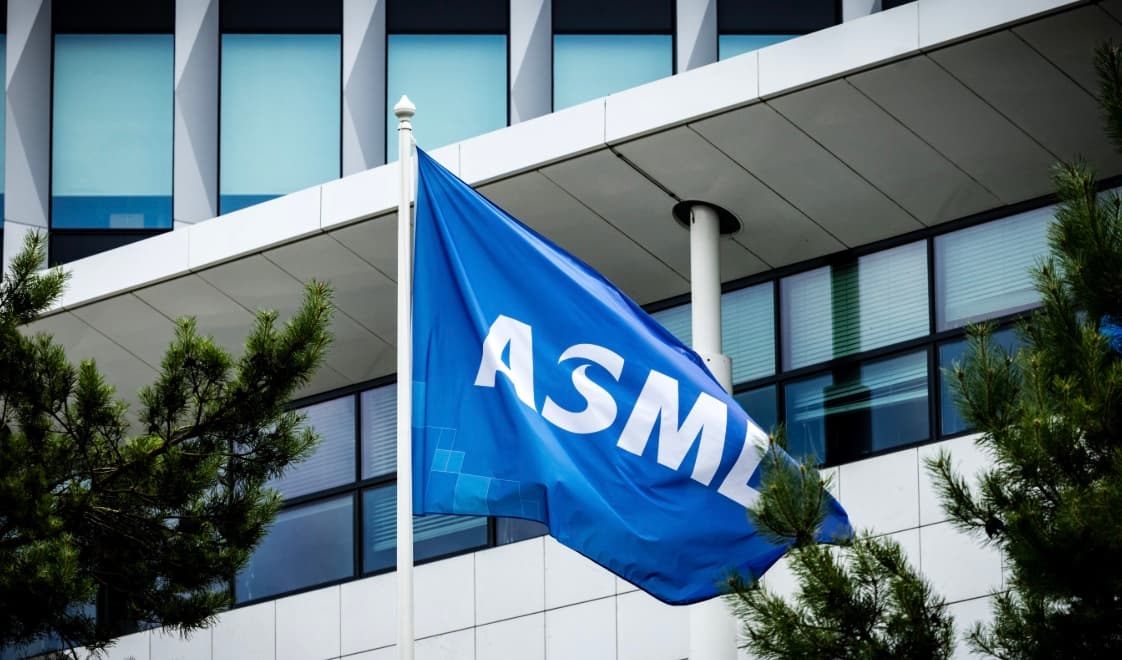
ASML, based in Veldhoven, is the global market leader in chip machines and has much to gain from this 'chip coalition'. With growing restrictions on exports to China and rising geopolitical tensions, the need for Europe to become more independent in the production of advanced chips is increasing. By working together within the chip alliance, the participating countries want to strengthen their grip on technological development and become less dependent on American and Asian suppliers.
A broad European collaboration
The partnership includes the Netherlands, Belgium, Germany, Finland, France, Italy, Austria, Poland and Spain. The goal is to scale up European semiconductor production and accelerate innovation within the sector. The European Commission, with Vice-President Henna Virkkunen as a driving force, supports the initiative and sees it as an important step towards technological sovereignty.
Investing in the future
The Netherlands plays a key role in the chip industry and wants to strengthen that position. The country has already invested billions to keep ASML and other important players within its borders. The funding for this new initiative, however, will not come from The Hague but from Brussels. The 'chip coalition' aims to build on the EU Chips Act of 2023, which already invested 43 billion euros. With this scheme coming to an end and international competition increasing, a new financial impulse is necessary.
China and the US continue to invest heavily in semiconductors, which are becoming increasingly important in smartphones, smart devices and defence systems. To keep pace with the competition, Europe wants not only to increase production capacity but also to invest in research, startups and training for technicians within the chip sector.
A joint strategy for a strong Europe
The participating countries are working on a joint strategy that combines public and private funding, increases production capacity and strengthens specialist training programmes. Minister Beljaarts stresses that intensive collaboration is the only way to build a robust European chip industry. "We must not collaborate a little, but a lot more," the minister said.
With this strategic alliance, Europe is bracing itself for the future. The chip industry is becoming increasingly strategic, and with a solid European chip alliance the continent can stand up to the major powers. The coming years will be crucial for Europe's technological position on the world stage.