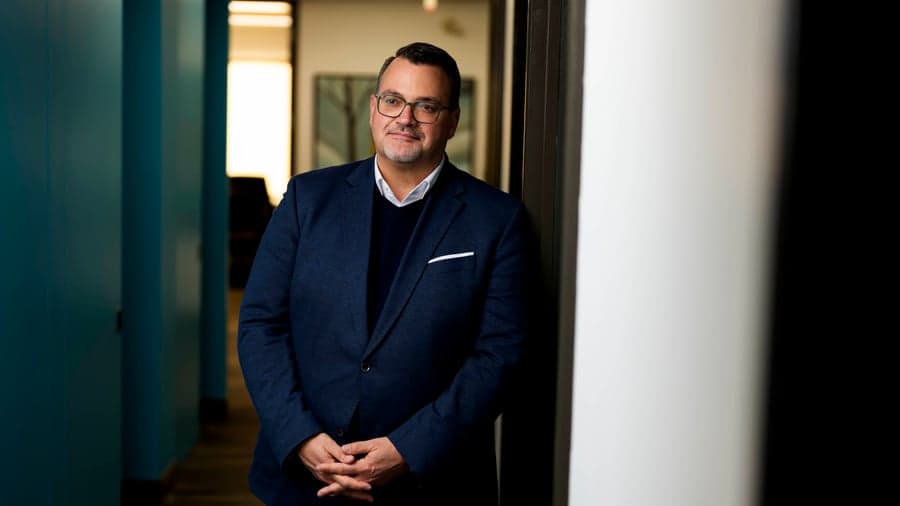
German naval shipbuilder TKMS is looking to the future with confidence. The group's order book is well filled, and its leadership does not rule out the possibility of another major contract before the year is out.
A strong position in submarine construction
According to chief executive Oliver Burkhard, the company ranks among the world's technological leaders in conventional submarines. That edge translates into robust international demand for the yard's products. The combination of engineering expertise, manufacturing skill and decades of experience has made German submarine technology a sought-after export.
Pressure to move faster
At the same time, management acknowledges there is room for improvement. To keep pace with rising demand, the group says it must pool its resources and accelerate production. For a capital-intensive and complex sector such as shipbuilding, this is a considerable challenge: each vessel requires years of development, precision work and specialised labour.
The situation at TKMS reflects a wider trend across the European defence and manufacturing industry. Growing geopolitical tensions are driving up defence budgets and, with them, filling the order books of suppliers and systems integrators. As a result, the challenge is shifting from winning contracts to delivering them on time and efficiently.
Relevance for the manufacturing sector
This development matters for the broader manufacturing industry. A growing order book in naval construction pulls along an entire supply chain, from steel processing and drive technology to electronics and sensors. Companies aiming to produce faster without compromising quality will need to invest in automated processes, digital planning and a well-trained workforce.
The coming months will show whether the hinted-at additional order is actually confirmed. What is clear is that demand for high-end submarine technology shows no sign of easing, and the pressure to produce efficiently continues to grow.