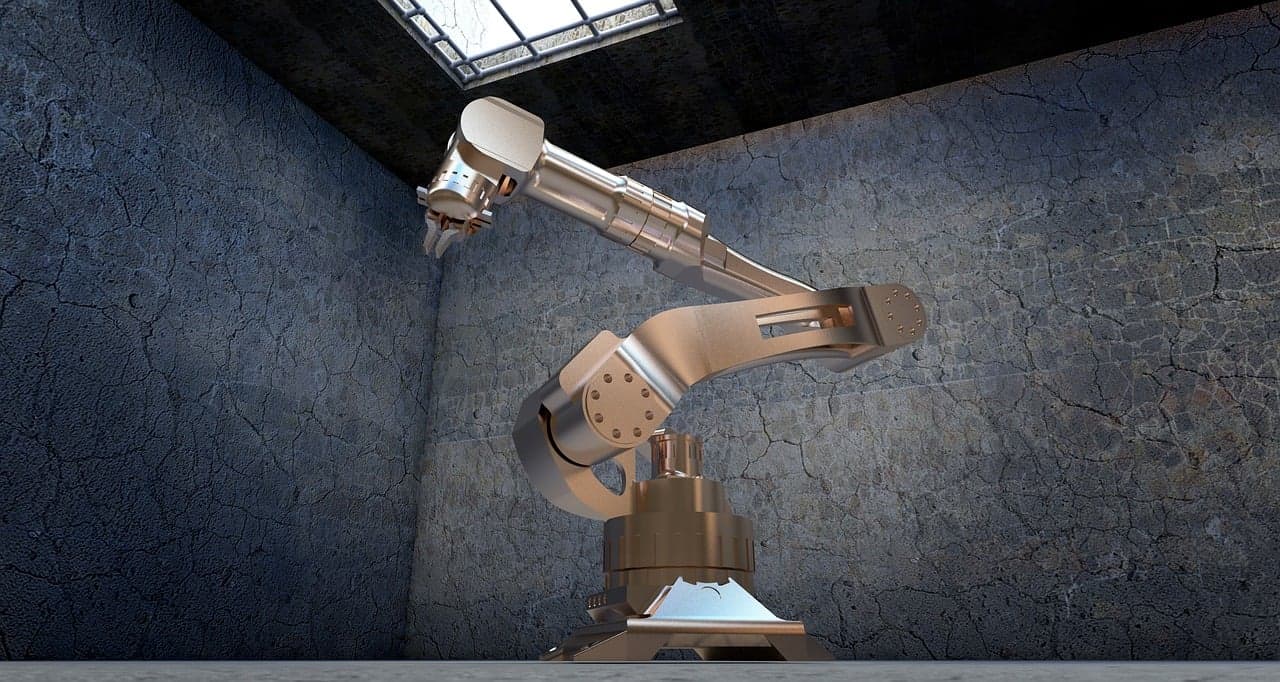
The manufacturing industry finds itself in an exciting phase of transformation. Digitalization and automation are no longer a distant dream but a reality. In 2025, we see that technologies such as artificial intelligence (AI), the Industrial Internet of Things (IIoT) and robotics are fundamentally changing the way companies operate. These innovations help businesses become stronger and more flexible in an increasingly complex world. Let's take a look at the key trends and real-world examples.
Digitalization as a solution to supply problems
In recent years, supply chain disruptions have hit the sector hard. Digitalization offers an answer. By using predictive analytics, companies can look ahead and better prepare for potential problems. For example, a large Dutch machine builder introduced an AI-driven platform that provides real-time insight into production and transport data. This resulted in 25% fewer delays and smoother production planning.
Robots fill gaps on the shop floor
With a pressing shortage of technical staff, the demand for innovative solutions is high. That is why more and more manufacturing companies are investing in collaborative robots ('cobots'). These robots work alongside people and take over repetitive tasks, allowing employees to focus on more complex work. A steel manufacturer in Eindhoven saw its production speed increase by 30% by deploying cobots, without the need for additional staff.
Smart technology for sustainable production
Sustainability is a hot topic in the manufacturing industry. More and more companies are using IIoT solutions to monitor their energy consumption and reduce waste. A consumer goods manufacturer in Twente recently deployed smart meters and sensors and managed to save 18% on energy within six months. This technology is now more affordable than ever, making it attractive to both large and small companies.
Government support accelerates innovation
The Dutch government plays an active role in stimulating automation and digitalization. Through the Smart Industry innovation program, subsidies are granted to companies that want to modernize their processes. As a result, several SMEs have automated their production lines with government support, making them more efficient and competitive.
Data makes decisions smarter
Data is the new oil, and companies that understand this are reaping the rewards. A shipbuilder in Rotterdam recently introduced a new data analytics platform that allows them to monitor the performance of their production processes in real time. This has led not only to higher production efficiency, but also to faster delivery times and more satisfied customers.
Conclusion: Those who invest now will win later
Digitalization and automation are not only necessary to survive, but also to excel in the manufacturing industry. Companies that take the step now benefit from more efficient processes, more sustainable production and stronger customer relationships. The future is now — and those who lead the way set the course.
Would you like to know how your company can join this development? Get in touch with us and discover how digitalization and automation can take your production to the next level.