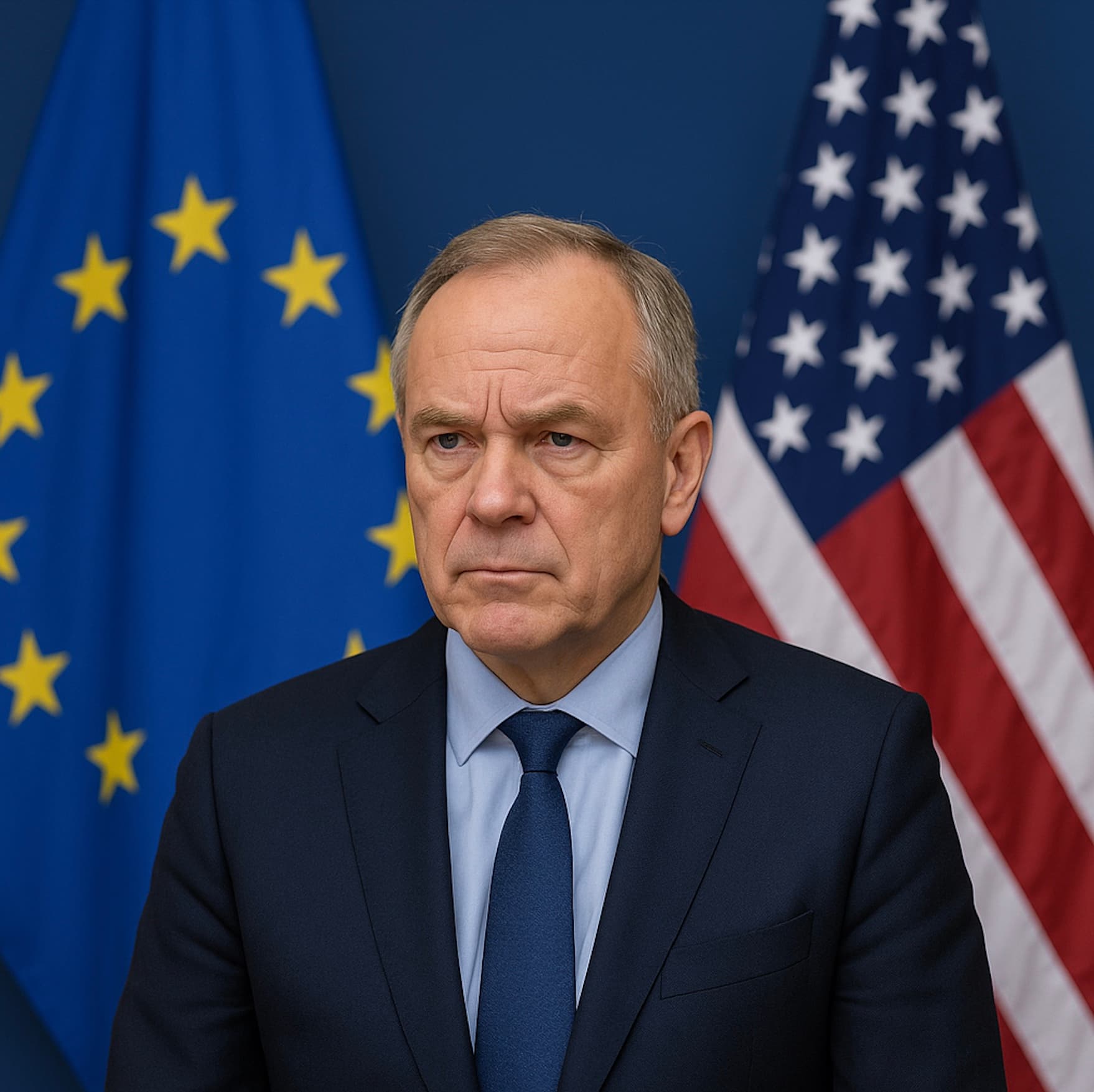
Zoetermeer, 15 August 2025 – The recently concluded trade agreement between the European Union and the United States provides temporary stability, but is drawing sharp criticism from the manufacturing industry. FME, the employers' organisation for the technology sector, argues that the price paid for it is far too high.
Favourable terms for the US, disadvantageous for Europe
A threatened 30% import tariff on European products has been avoided, which prevents escalating tensions in the short term. Nevertheless, FME complains that European companies now gain access to the American market only with a 15% import duty, while American products can enter the EU unhindered. According to FME, this uneven balance is extremely damaging to the competitiveness of the European manufacturing industry.
"I compare it to a situation where you roll out the red carpet for your competitor, while you yourself have to overcome obstacles," said FME chairman Theo Henrar.
Limited exceptions, insufficient clarity
Some sectors – such as semiconductor equipment, aircraft components and certain raw materials – fall under a zero-tariff arrangement. However, the details of this remain vague. Many Dutch manufacturing companies fall outside this exception, meaning the arrangement has only limited effect. Moreover, the 50% import duties on steel and aluminium remain in force unchanged – a heavy burden for the steel industry.
Call to action for Brussels and The Hague
FME calls on both the European Commission and the Dutch government to fight for fairer market access, with explicit attention to the steel and technology industries. In addition, the organisation stresses that strengthening domestic economic resilience is crucial. According to FME, investments in innovation, trade promotion and strategic autonomy are indispensable to maintaining the industry's international position.
Response from the business community
VNO-NCW is also critical. The organisation acknowledges the much-needed clarity the agreement provides, but calls the tariffs "particularly painful" for Dutch entrepreneurs. The metal and high-tech sectors in particular are hit hard by the arrangement. VNO-NCW is pushing for further negotiations to lower the tariffs.
Summary table
| Aspect | FME position | Impact on EU companies |
| EU–US trade agreement | Stability achieved, but inequality | Weakens competitive position in the US |
| Tariff structure | 15% for Europe, 0% for the US | Deteriorated export conditions |
| Exceptions | Exist, but little clarity | Often fall outside the favourable arrangement |
| FME strategy | Invest in own resilience and innovation | Needed to safeguard long-term competitiveness |
Conclusion: This trade agreement delivers short-term calm, but creates a skewed trade relationship with the United States. FME therefore advocates renegotiation, transparency and strengthening of European industry. For manufacturing companies in the Netherlands, this moment is crucial: choosing innovation and strategic resilience could be the key to future success.