With a $330 million investment, Forge Nano is building a battery manufacturing plant in North Carolina with a capacity of 3 GWh. The project runs on federal funding and a partnership with Samsung SDI, but the interesting part is not just the scale. It shows how defense procurement, mandated domestic sourcing and specialized niche markets together form an alternative route to scale for battery production — a model with relevant lessons for European and Dutch manufacturers too.
Why defense and domestic sourcing become the engine
The classic way to make a battery plant profitable is volume in the automotive market. But that market is dominated by Asian gigafactories competing on price and scale. Forge Nano takes a different entry point: the defense and security market, where supply security, material origin and certified supply chains matter more than the lowest cell price.
Governments no longer want to depend on imported cells for critical applications. That political will translates into procurement programs with domestic content requirements — locally produced, with traceable raw materials. For a manufacturer this means more stable demand at higher margins, allowing a plant to reach profitability sooner than with pure volume production. It is a deliberate choice of value over volume.
What it means for the wider battery chain
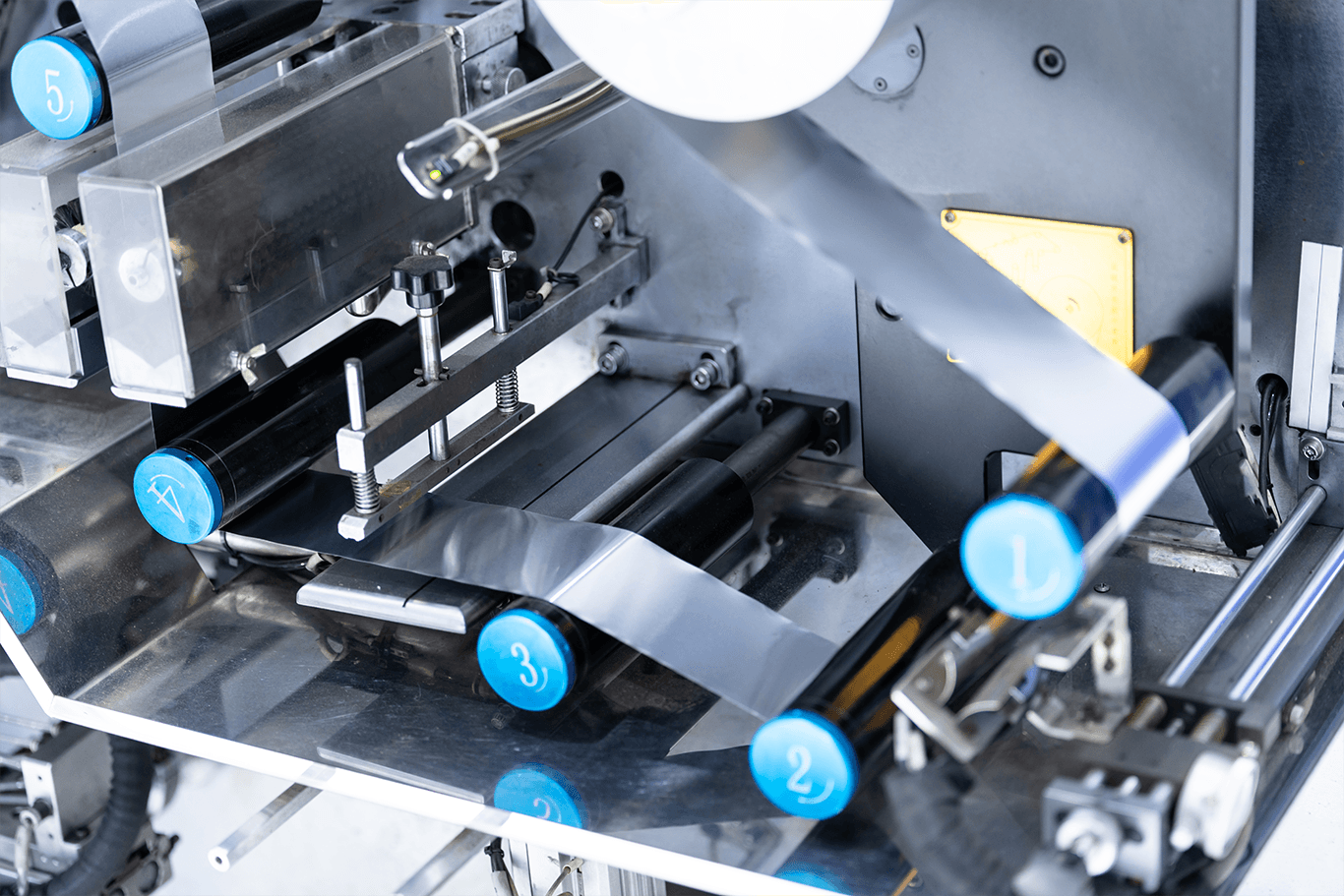
The approach touches the entire chain around cell production. A modern battery plant is a complex interplay of materials technology, precision and automation:
- Materials and coatings: advanced electrode materials and surface treatment determine performance and lifespan. This directly involves industrial chemistry, adhesives and coatings and technical ceramics for separators and components.
- Metals and foils: copper and aluminium foil, housings and current collectors require reliable supply of non-ferrous metals.
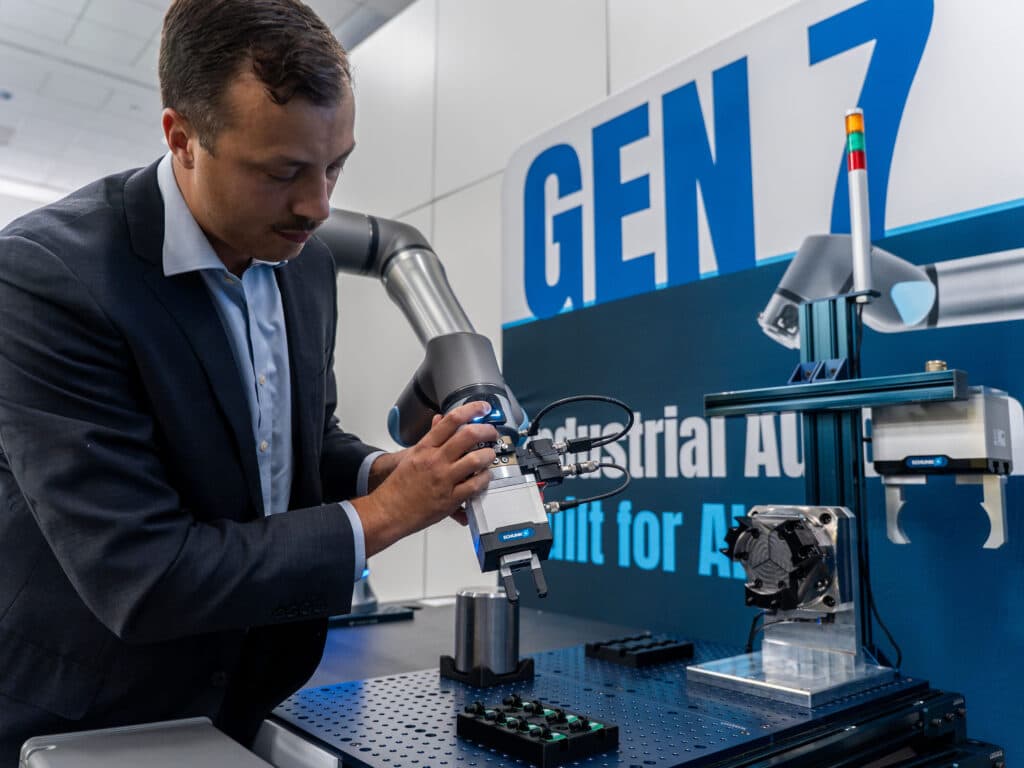
- Automation: cell assembly demands extreme repeatability and cleanroom conditions, making robotics and automation indispensable.
Forge Nano is known for atomic layer deposition (ALD), a technique to coat materials at the nanoscale. That specialization fits the niche model: not competing on mass, but on technological differentiation and performance.
Lessons for European and Dutch manufacturers
Europe wrestles with the same question: how do you build a homegrown battery industry against established Asian players? Several gigafactory plans on the continent came under pressure due to high capital costs and uncertain demand. The US model points to a more pragmatic path: start with markets where origin and security command a premium, and grow from there.
For Dutch and European suppliers, this offers concrete opportunities. The manufacturing industry does not need to produce cells itself to benefit from the battery wave:
- Precision components and housings for cell and pack assembly;
- Machine building and system integration for production lines;
- Testing, inspection and quality equipment, crucial in certified supply chains;
- Material specialists able to prove their raw materials are traceable and local.
Domestic content as a competitive factor
The shift this project illustrates is fundamental: origin becomes a selling point. Where price was decisive for decades, supply security, geopolitical stability and demonstrable local production now count. For European manufacturers — facing upcoming regulation on critical raw materials and low-carbon production — this is not a threat but an opportunity to stand out.
Companies investing now in traceability, certified processes and flexible automation position themselves for exactly the markets where origin and security make the difference.
What this means for the manufacturing industry
The Forge Nano project is more than a factory — it is a blueprint for how to build a capital-intensive industry without immediately taking on Asian volume players. For the Dutch and European manufacturing industry, the message is clear: battery production offers opportunities along the entire chain, provided you focus on specialization, traceability and high-grade automation. Those who target demanding niche markets can build a profitable position where volume alone falls short.