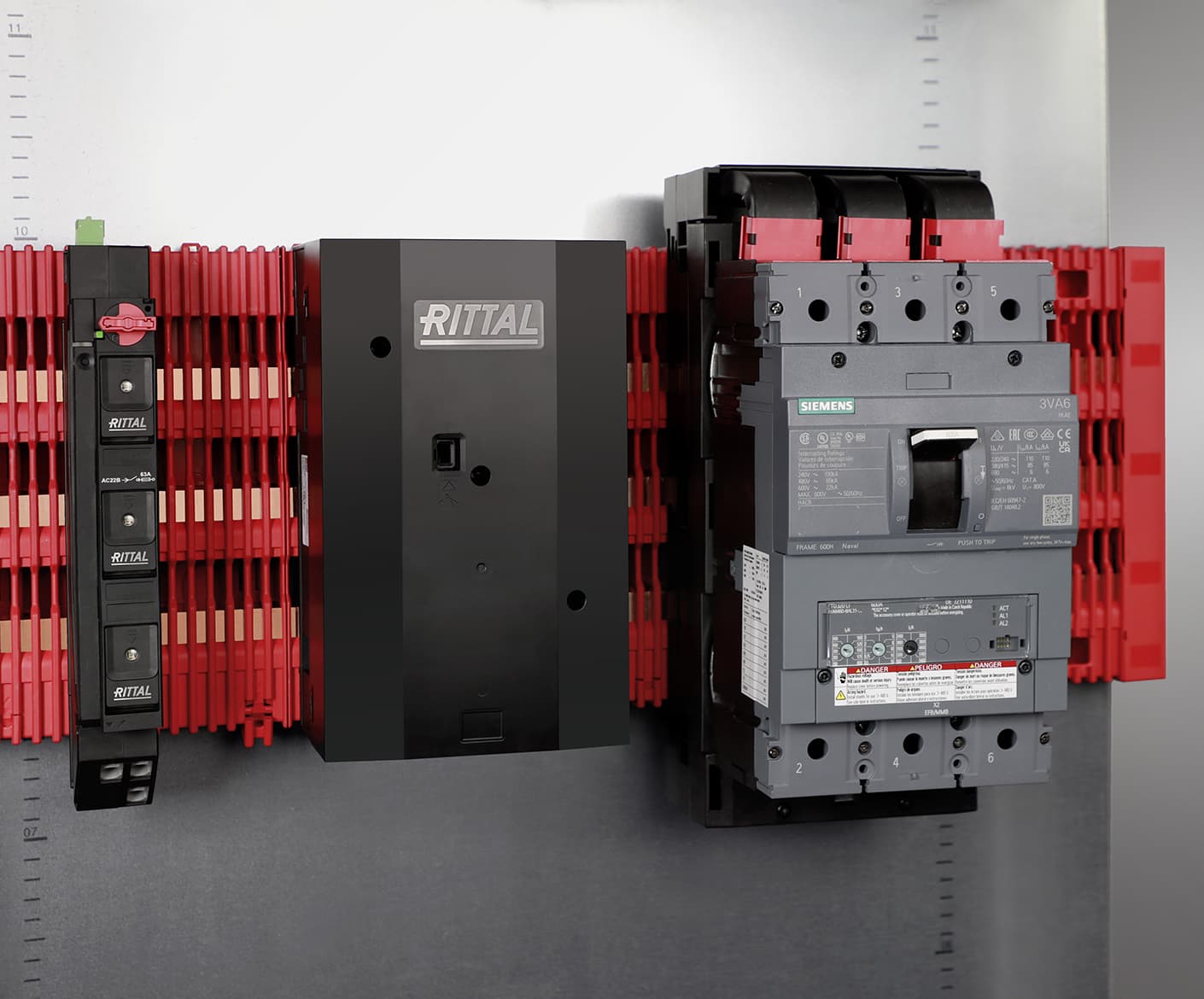
The power distribution of the future is taking shape: Rittal, Siemens and ABB are pooling their expertise to develop standardised and scalable solutions for powering data centres, industrial installations and electrical infrastructure. The aim is as clear as it is ambitious — to make electrical distribution faster to deploy, safer to operate and more efficient to manage. For production managers and technical directors grappling with rising energy demand and lengthening lead times for electrotechnical components, this is a development with immediate practical consequences.
Why three industrial giants are collaborating on energy infrastructure
The collaboration is no coincidence. Demand for reliable power distribution is growing explosively, driven by three mutually reinforcing trends. First, energy consumption in data centres is soaring on the back of artificial intelligence and cloud computing. Second, industry is electrifying rapidly: processes that once ran on gas or direct combustion are switching to electricity. Third, the energy transition calls for infrastructure that can cope with fluctuating generation from solar and wind.
Each party contributes a complementary piece. Rittal is strong in enclosures, control and switchgear cabinets and climate control. Siemens and ABB supply the power electronics, protection and digital control. By aligning components and engineering methods, a systems approach emerges that breaks the traditional fragmentation across the supply chain.
Standardisation as an answer to long lead times
For manufacturers, standardisation may well be the most interesting aspect. In recent years, lead times for switchgear, transformers and distribution cabinets have risen sharply. Anyone planning a new production line or expansion regularly ran into months of waiting for electrical engineering. Standardised, modular power distribution promises relief:
- Shorter engineering time because proven modules are reusable rather than designing each panel from scratch;
- More predictable delivery thanks to standardised parts and optimised wiring and cable assembly;
- Simpler maintenance as service technicians work with familiar, interchangeable building blocks;
- Better scalability so capacity grows step by step with production.
This approach fits a broader movement in manufacturing towards modular, configurable systems instead of full bespoke work. It shortens the time between an investment decision and an operational installation — a crucial factor at a time when speed often determines competitive advantage.
Safety and digitalisation go hand in hand
Safety is the second pillar. High-power electrical installations demand rigorous protection against arc faults, overload and fire. Standardised designs tested to fixed specifications reduce the risk of errors in the engineering and assembly phase. At the same time, digitalisation makes the difference: by integrating sensors and monitoring, power distribution becomes part of the Industrial IoT environment. Real-time insight into load, temperature and consumption enables predictive maintenance and prevents unplanned downtime.
For energy efficiency, this means losses become visible and manageable. In a period when energy costs weigh heavily on unit costs, every percentage point of efficiency gained in distribution is felt directly on the energy bill.
What this means for European manufacturers
The implications reach well beyond data centres. Any company investing in robotics and automation, process electrification or expanded production capacity needs reliable, quickly available power distribution. A standardised market with interoperable components reduces dependence on a single supplier and makes quotations easier to compare.
At the same time, some sobriety is warranted. Standardisation only works if the parties involved genuinely adopt open interfaces rather than building a closed ecosystem that locks customers in. For buyers and engineers, it therefore pays to ask explicitly about modularity, interchangeability and future-proofing on new projects.
For the manufacturing industry, this collaboration marks a shift: power distribution is moving from a technical afterthought to a strategic building block of the factory. Companies already thinking about scalable, digitally connected energy infrastructure are better prepared for the combined pressure of electrification, growing data processing and sustainability requirements. Those who align their systems integration with these standards early will gain time, safety and flexibility.