The rise of artificial intelligence (AI) has had a revolutionary impact on how companies operate and innovate. At the same time, Lean Six Sigma remains a favored methodology for improving processes and quality. In this discussion, we explore how AI can contribute to Lean Six Sigma, how organizations can implement it through concrete examples, and what challenges come with integrating AI and Lean Six Sigma.
AI can significantly strengthen the effectiveness of Lean Six Sigma by offering advanced analytical tools and automation, enabling organizations to operate faster and more efficiently. Some crucial contributions of AI to Lean Six Sigma include:
- Data analysis and insights
- Predictive analytics
- Automation and optimization of processes
- Real-time monitoring and adjustment
- Improved decision-making and problem-solving
How can organizations integrate AI into Lean Six Sigma? This question is answered through various examples.
Example 1: Manufacturing company
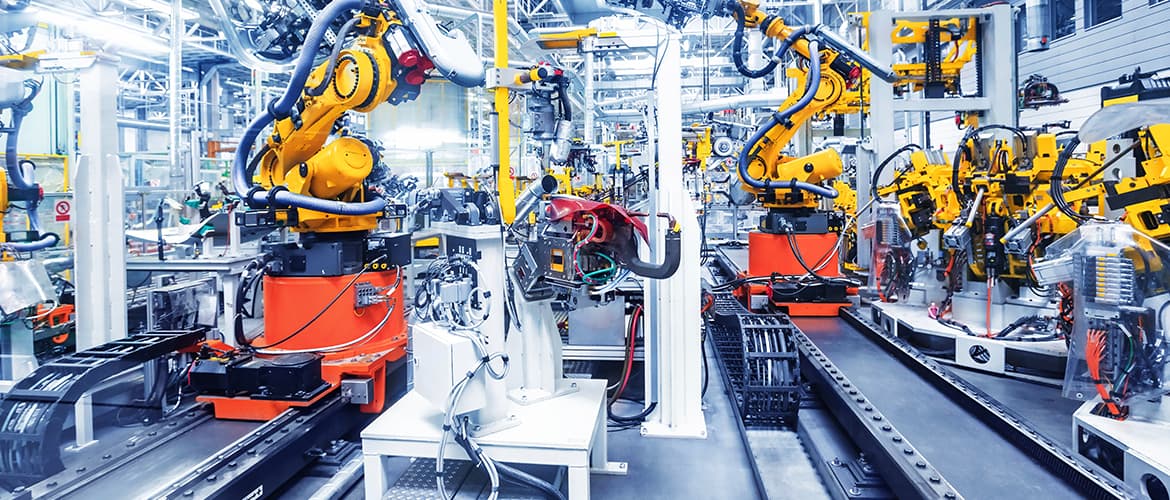
A manufacturing company can combine AI with Lean Six Sigma to increase the efficiency of its production line. By using machine learning algorithms, data from sensors and equipment can be analyzed to predict maintenance needs, minimizing unplanned downtime. Moreover, AI can help identify quality issues early, allowing them to be addressed quickly and reducing waste.
Example 2: Hospital
In a hospital, AI can be used to analyze patient records and detect inefficiencies in care delivery. By identifying patterns, AI can predict which patients are at increased risk of readmission, enabling the hospital to implement targeted interventions to improve quality of care and save costs.
Example 3: Financial services
A financial institution can bring together AI and Lean Six Sigma to strengthen fraud and risk management. By analyzing transactions in real time, AI can detect anomalous behavior and predict potential fraud, allowing the institution to intervene proactively and limit losses.
The challenges of integrating AI and Lean Six Sigma
Although the fusion of AI and Lean Six Sigma offers significant benefits, there are also challenges in implementing this approach:
- Technology integration: Integrating AI technologies into existing systems and processes can be complex and time-consuming. Organizations must plan carefully and collaborate with internal and external experts to ensure a smooth transition.
- Cultural change: Deploying AI in combination with Lean Six Sigma requires a cultural change within the organization, encouraging employees to think and act based on data. This may provoke resistance among some employees, and it is important to provide sufficient training and support to facilitate this transition.
- Quality and relevance of data: The effectiveness of AI depends heavily on the quality and relevance of the data used. Organizations must ensure that their data is accurate, complete, and up to date in order to generate reliable insights and predictions.
- Security and privacy: With the growing volume of data collection and analysis, concerns about security and privacy also arise. Organizations must comply with laws and regulations regarding data protection and ensure that sensitive information is appropriately secured and managed.
- Costs and Return on Investment (ROI): Implementing AI technology can require significant investment, both financial and in terms of personnel. Organizations must conduct a thorough cost-benefit analysis to ensure that the integration of AI and Lean Six Sigma delivers a positive ROI.
The synergy between artificial intelligence and Lean Six Sigma gives organizations the opportunity to optimize processes more efficiently and effectively. By integrating AI within Lean Six Sigma, organizations can benefit from advanced data analysis, predictive insights, and automation, leading to reduced waste and improved quality. While there are challenges in implementing this combined approach, organizations that overcome these obstacles can achieve significant benefits in terms of efficiency, competitiveness, and customer satisfaction.