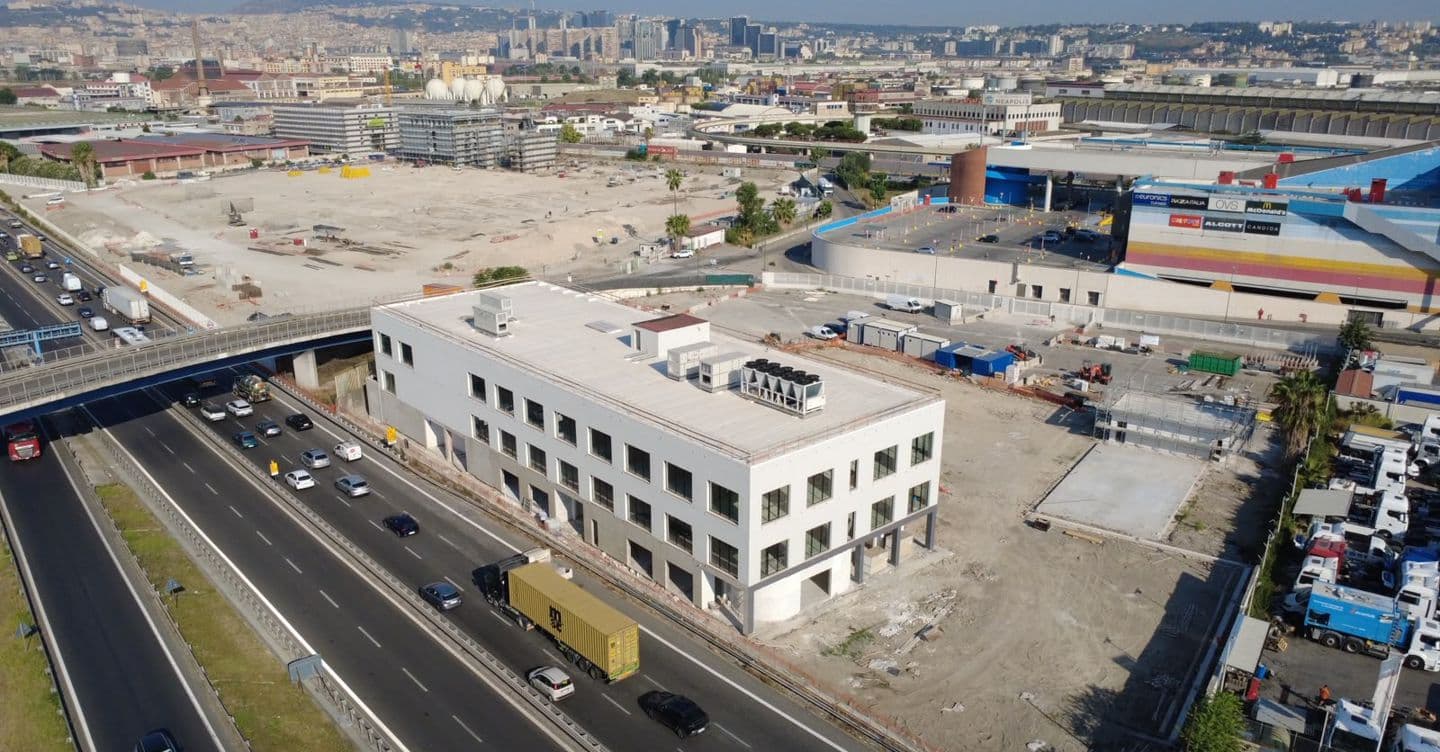
Turning a former washing machine factory into a site for manufacturing solar power components is more than a local story: it shows how European manufacturing is transforming old assembly lines into a green value chain. Where household appliances were once assembled, a factory for photovoltaic components is now taking shape, with a new research centre opening in November. For production managers and technical directors, this is an instructive example of industrial repurposing.
From washing machines to photovoltaic components
Converting a closed white-goods plant into a solar energy production site reflects a broader trend: existing industrial infrastructure is getting a second life within the energy transition. Instead of demolition and new construction, the building, power supply and logistics access are reused. That saves time, capital and CO₂ — an approach aligned with the circular ambitions of many European governments.
The choice to produce photovoltaic components is strategic. Europe depends heavily on imports from Asia for solar modules and supply parts. Every new domestic production site strengthens supply security and shortens chains that proved vulnerable in recent years. For metal construction and suppliers of mounting systems, this creates concrete opportunities.
Why a research centre makes the difference
The opening of a research centre in November may well be the most important element. Production alone yields margins that are under pressure from global competition. Those who want to add value must innovate: more efficient cell technology, better mounting systems and smarter integration into buildings and installations. An R&D function alongside the factory enables short lines between design, prototyping and series production.
This is precisely where European manufacturing must seek its edge. Specifically, this involves:
- Material development: new substrates, coatings and joining techniques that boost efficiency and lifespan.
- Process innovation: automated assembly that offsets labour costs with quality and speed.
- Integration: components that fit more easily into roofs, façades and industrial installations.
For companies active in product design and CAD/CAE and prototyping, such a research environment offers an appealing ecosystem to engage with.
Automation as the key to competitive European production
Manufacturing in Europe only works if costs remain competitive. That means extensive automation. Assembly of photovoltaic components lends itself well to robotisation and automation: repetitive operations, high volumes and strict quality requirements. Machine vision for quality control, automated handling and data-driven process monitoring reduce errors and raise output per employee.
The electronic side is equally crucial. Inverters, wiring and controls call for reliable electronics and printed circuit boards and well-considered system integration. Those who organise the entire chain — from sheet metal work to final assembly — under one roof or within a regional network gain flexibility and speed.
What industrial repurposing means for employment
The closure of a large factory affects an entire region: loss of jobs, knowledge and supply networks. Repurposing towards green production preserves not only physical infrastructure but also offers a chance to reskill staff. Employees who previously assembled white goods hold valuable experience in series production, quality management and logistics. With targeted retraining, those skills transfer to the solar energy sector.
That is a lesson relevant to Dutch and German manufacturers too. As traditional production lines disappear or change, the ability to redeploy people and assets becomes a competitive advantage in its own right.
What this means for the manufacturing industry
This shift shows that the energy transition is not only a market but also an industrial opportunity. For Dutch and European manufacturers there are three clear signals: existing factory infrastructure can be repurposed rather than written off, local production of photovoltaic components strengthens strategic autonomy, and combining production with R&D is the way to keep value in Europe. Companies that invest now in automation, materials expertise and chain integration position themselves strongly in a market set to grow considerably. Those who see opportunities in supply or collaboration would do well to explore in good time which specialised partners fit their needs.