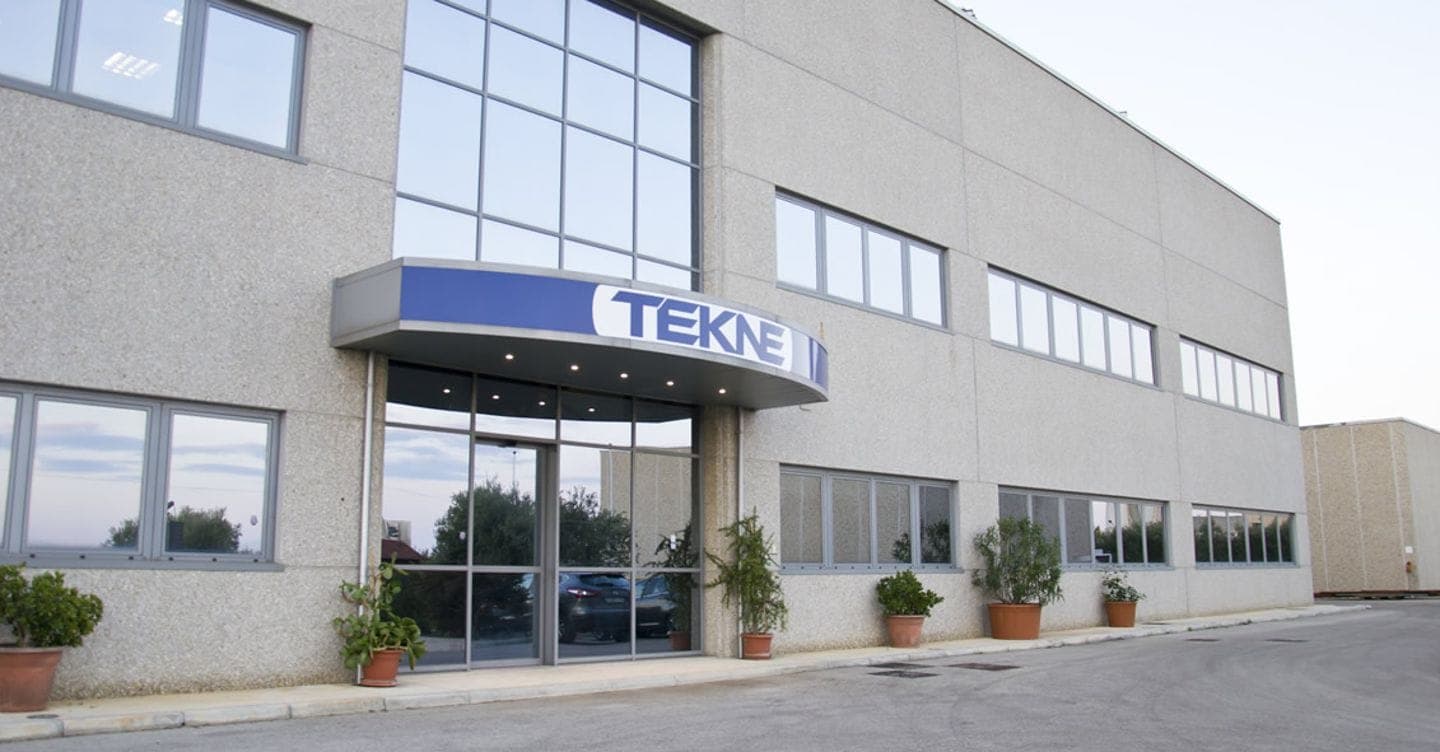
The acquisition of Italy's Tekne by US laser company Nuburu creates a technology centre in Ortona focused on advanced laser systems for defence, including anti-drone applications and underwater technology. The deal — for which the necessary approval has now been granted — shows how tightly civilian laser technology and military applications are converging, and how Europe is once again trying to anchor a strategic production base.
Why laser technology is becoming the new defence weapon
The rise of cheap, agile drones has changed the rules on the battlefield and in the protection of critical infrastructure. Classic air defence using expensive missiles is economically unsustainable against swarms of low-cost aircraft. Directed energy systems, in which a focused laser beam neutralises a target, offer an attractive alternative: the "cost per shot" is extremely low and the ammunition supply is effectively unlimited as long as power is available.
Underwater applications present a different challenge. Light is heavily attenuated in water, requiring specialised wavelengths and optics. This is precisely where advanced laser know-how can make a difference in detection, communication and defence around ports, cables and pipelines — infrastructure increasingly seen as vulnerable in Europe.
What the Tekne acquisition actually means
By absorbing Tekne, Nuburu gains not only production capacity but also local engineering expertise and a foothold in the European defence supply chain. The Ortona technology centre is intended to act as a development and assembly site for:
- Anti-drone laser systems to protect military and civilian assets;
- Underwater laser applications for detection and defence;
- the associated optics, control and systems integration.
That last point is crucial: a laser weapon is not a single component but a complex system of power electronics, cooling, sensors, aiming optics and software. The real value lies in integration — a competence in which European suppliers active in systems integration and OEM outsourcing and electronics and circuit boards can play a part.
The broader trend: defence as a driver of manufacturing
The transaction fits a clear European movement. Under pressure from geopolitical tensions, defence budgets are growing and governments are seeking more production on home soil. For manufacturing, this represents a shift: technology used for decades mainly in civilian settings — precision optics, high-power lasers, rugged electronics — is now finding its way into security and defence programmes.
Laser technology plays a dual role here. The same physics that neutralises a threat also powers industrial processes. Companies active in laser and plasma cutting or in automated production through robotisation and automation hold related knowledge of beam steering, cooling and safety standards. The line between "industrial" and "strategic" is blurring.
Opportunities and risks for European manufacturers
For suppliers in Europe, a market with solid growth prospects is opening up — but also one with strict requirements. Those wanting to take part must consider:
- Export control and dual-use regulation: components with military applications fall under strict licensing regimes;
- Qualification and certification: defence programmes demand high standards of traceability and reliability;
- Long-term contracts that offer stability but also require substantial upfront investment in quality systems;
- Access to critical components such as high-grade sensors and actuators and robust power electronics.
At the same time there is a strategic risk: as non-European players acquire key technology and production capacity in Europe, the debate over control and dependency grows. The approval of this acquisition shows that governments scrutinise such transactions closely — a sign that technological sovereignty is high on the agenda.
For manufacturing, the message is clear: defence and security technology is becoming a structural market, not an occasional one. Companies that invest now in laser expertise, precision components and systems integration, and that align their processes with demanding quality and compliance requirements, position themselves for a segment likely to grow faster than classic industrial markets in the coming years. The development in Ortona is therefore not merely an Italian story, but a signal of where a large part of Europe's high-tech manufacturing is heading.